(This was written when we were in Wisques as guests of the Nuns. We are now in Arrass, which is a bit further on – long days on the road, but good ones)
Tonight we are in a place where time is measured by the ringing of bells.
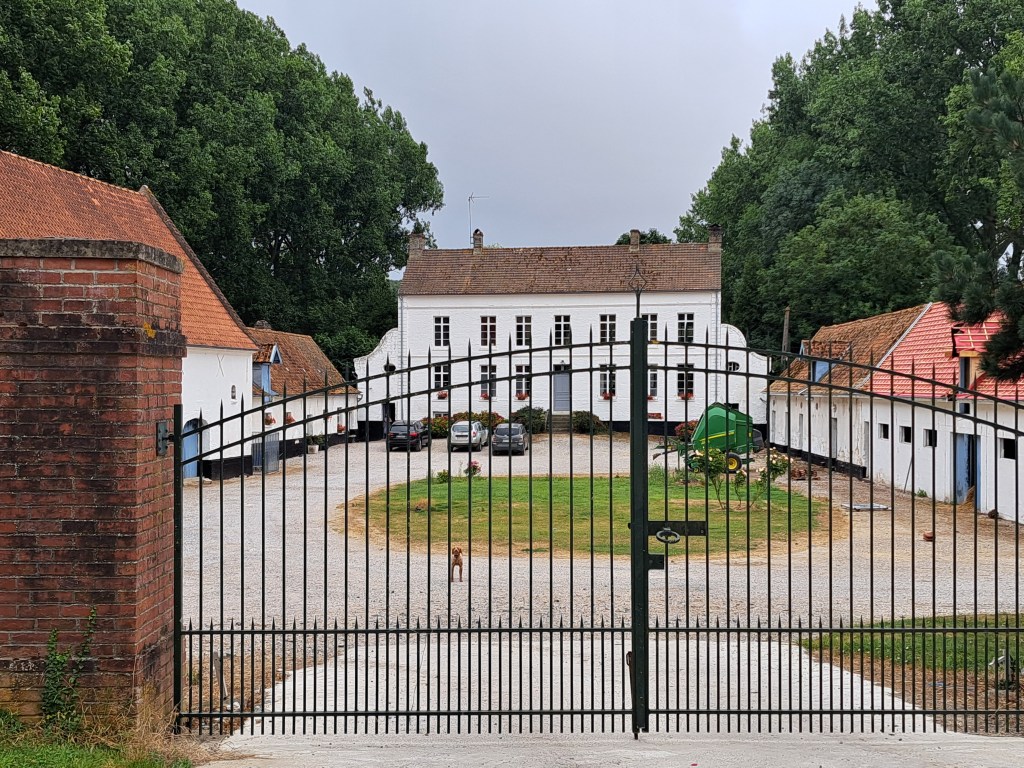
We walked from a small village where we stayed in a Chambres d’Hotes in a small farm on the edge of a village. The woman running it was lovely. We had tried communicating with her but her emails were all very terse to the point where she typed BJR for bonjour. Originally she didn’t want us to arrive until six but was happy to welcome us after three because we were pilgrims on foot.
Both dinner and breakfast took into account my allergies without any fuss and she wanted to know all about our walk and where we were from, etc. The house was set in a large courtyard with old farm buildings on the other sides and a lovely pond with an attractive tree in the centre. They are renovating the buildings and had a wooden trailer that was obviously another bit of accommodation, so, with so little accommodation in the area, they are preparing to provide a good service to many more people passing through.
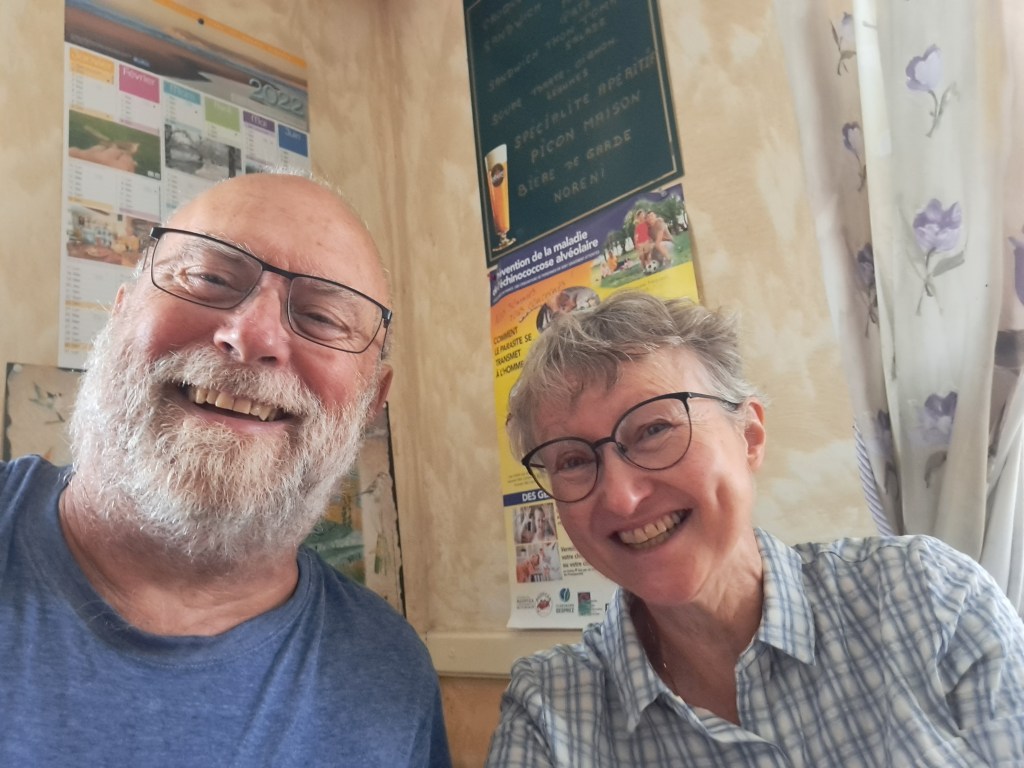
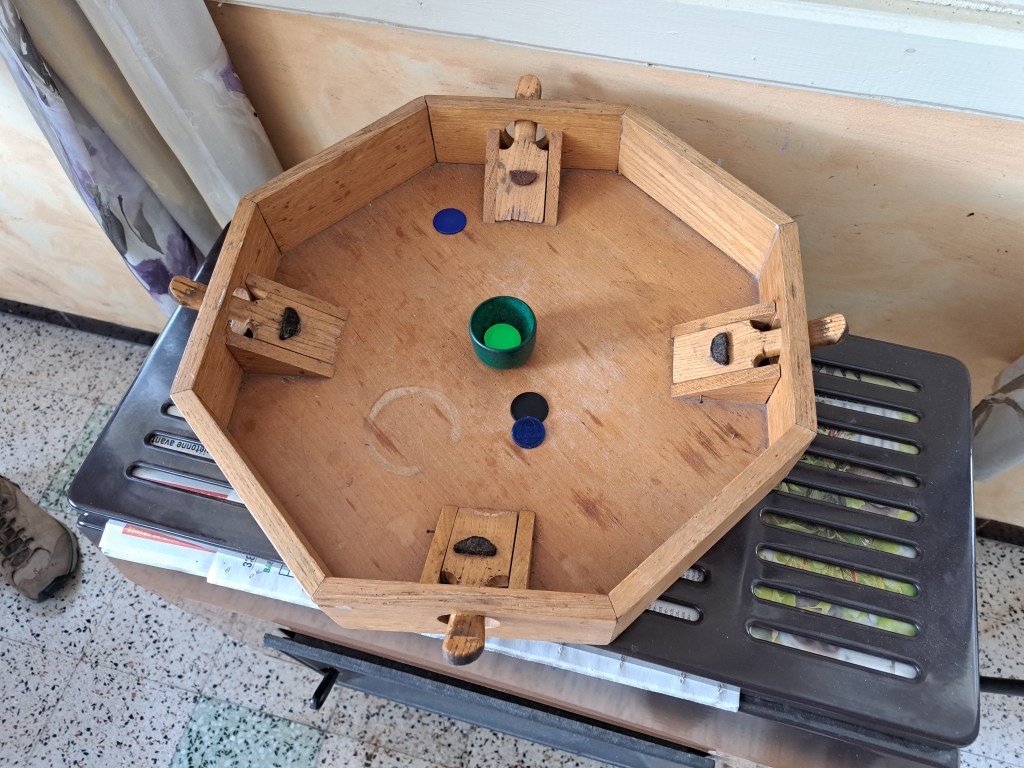
The day before (Sunday) we had a lovely lunch in another Café de la Mairie. This one had a sweet elderly woman running it who made us excellent sandwiches (from baguettes) and served us very nice local beer. The only other people who used the café while we were there was a very elderly woman who came in three times to buy another gambling ticket. It seemed like a simple excuse to walk across the road and have a short chat with the lady behind the bar. Four other customers arrived – Sunday walkers who seemed to be regulars. They had walked to the ruins of a chapel on a high ridge above the village and were now in the bar to have a drink while they ate their packed lunches at the table next to ours. One of the women from the group (three women and one man in their sixties) popped over to us to say hello and offer us some of the red currants she had grown in her garden. We felt sorry for the woman running the place and stayed for a coffee before heading off on our afternoon sortie.
So, today was a relatively short walk to a place called Wisques, just south and west of St Omer.
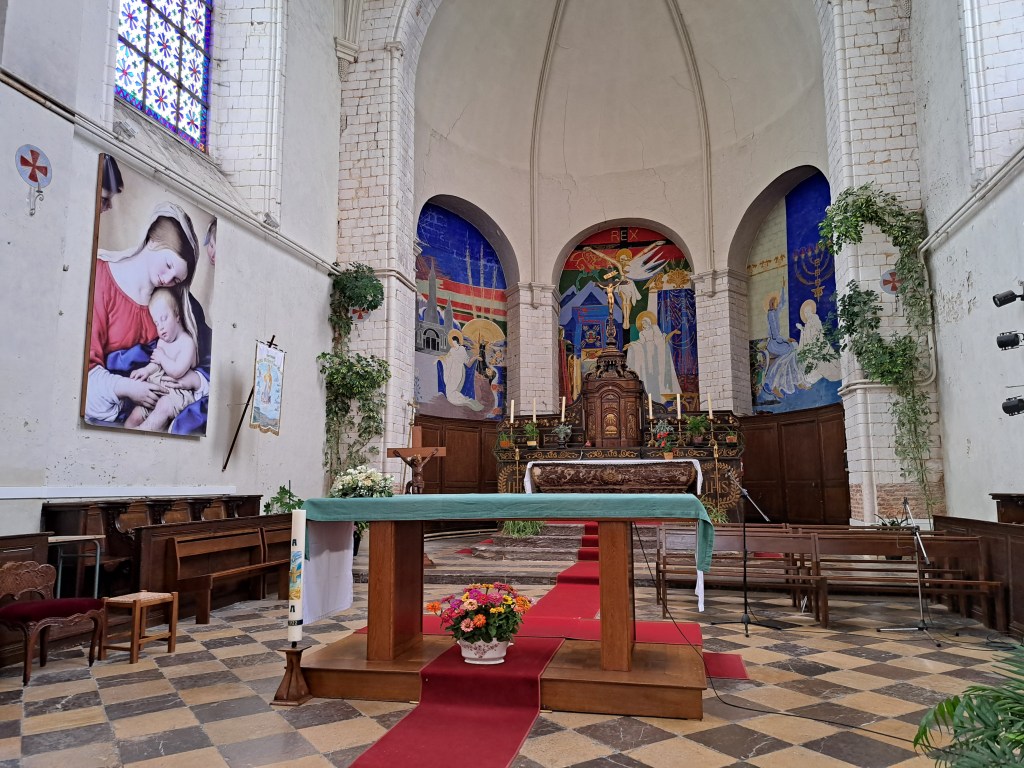
It has two Abbeys in the village. The first is the men’s Benedictine monastery – Abbey St Paul de Wisques. We could have stayed there but decided to stay at the Abbey Notre-Dame de Wisques which houses an enclosed order of Benedictine nuns. Their beautiful (and enormous) Abbey, like St Paul’s, was built in the latter part of the 19th Century and is a neo-gothic masterpiece. They, have large grounds encircled by a high wall and the original gate house and a couple of other houses form the main accommodation for guests and those spending time in meditation or on retreat here.
The church is huge but very simply adorned, as would be expected but, as the order is enclosed, there is a side chapel to the left of the Altar (from the priest’s view) completely secure to ensure no one can either get into the main body of the church or see any of the nuns therein.
We attended Vespers, which was completely sung in Latin and, although I am not a fan of any services in Latin, I felt it was very much worth attending. Although beautiful and quite intoxicating as the clear voices resonated around the high bare walls of the church, it was a service that we were expected to take part in, albeit in silence, because what we were doing was being invited to be part of their shared prayer. This was not a performance, it was their community devotion and part of their daily prayer life.
My school boy Latin and pre-Vatican 2 memories of prayers assisted me in following the psalms and prayers as they were sung. Not every going to be part of my religious life but happy to sense their joy and devotion.
Which brings me to the bells. These are rung to mark the daily pattern of worship and prayer at the two Abbey’s. At 5:15 am the nuns sing Matines-Laudes then at 8:15 they have Prime. Ten in the morning is their usual Mass time and Sexte is at 12:50. By 14:35 they are at None and Vespres is at 18:00 hours. Complies is at 20:30 hors and I heard the bell for that just a few minutes ago. And, even though these Abbeys have only been here since the nineteenth century, this pattern of life has been an enduring feature of daily life for religious orders like these Benedictines for centuries.
During medieval times Abbeys, and their like, were very often major centres for farming and the life of their farms revolved around the bells as they marked out the phases of the day. These bells marked out the days of other farmers and villagers across the whole of Europe and, in the cities and towns they marked out the times for commerce, the work of state and so on. And most churches tended to follow similar patterns of prayer through the day, reflecting the prayer lives of the priests serving there. So, since our arrival at lunch time today, as we settle in for the night and as we get up tomorrow, we will have be hearing the bells as they continue to mark off the stages of every day spent in a life of faith and shared by everyone who happens to live and work nearby.
It gives me a deep sense of happiness that, as pilgrims, we can still hear these bells as echoes of a pattern of pilgrim life that persisted across many centuries and can still be found in a place like this today.
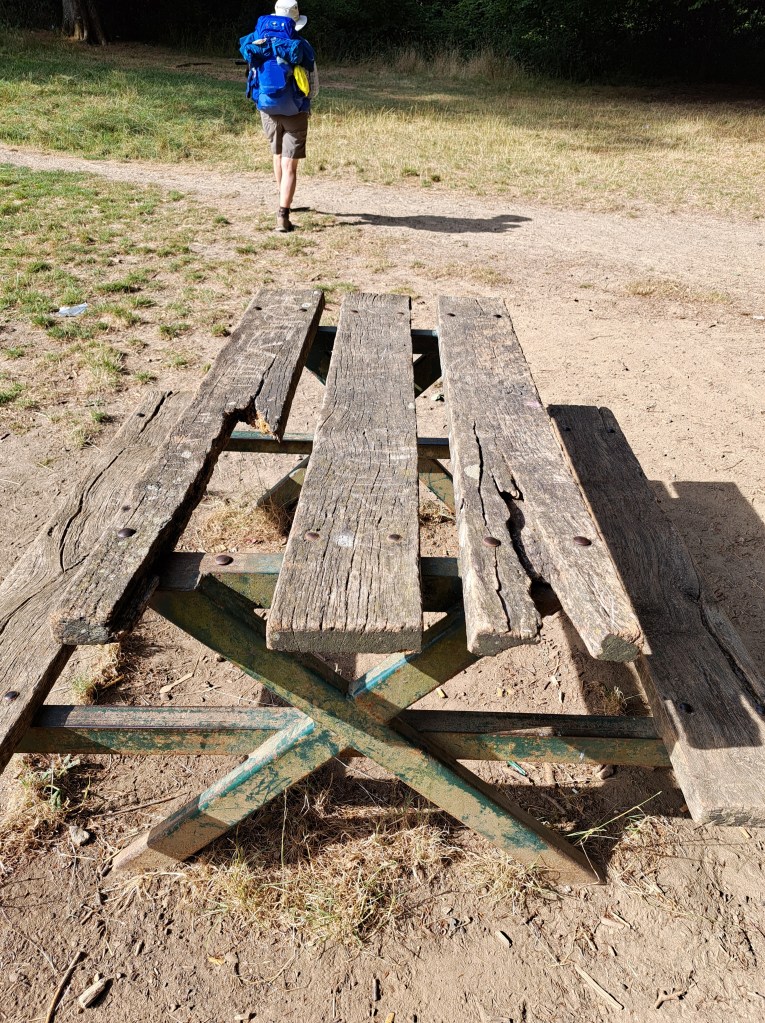
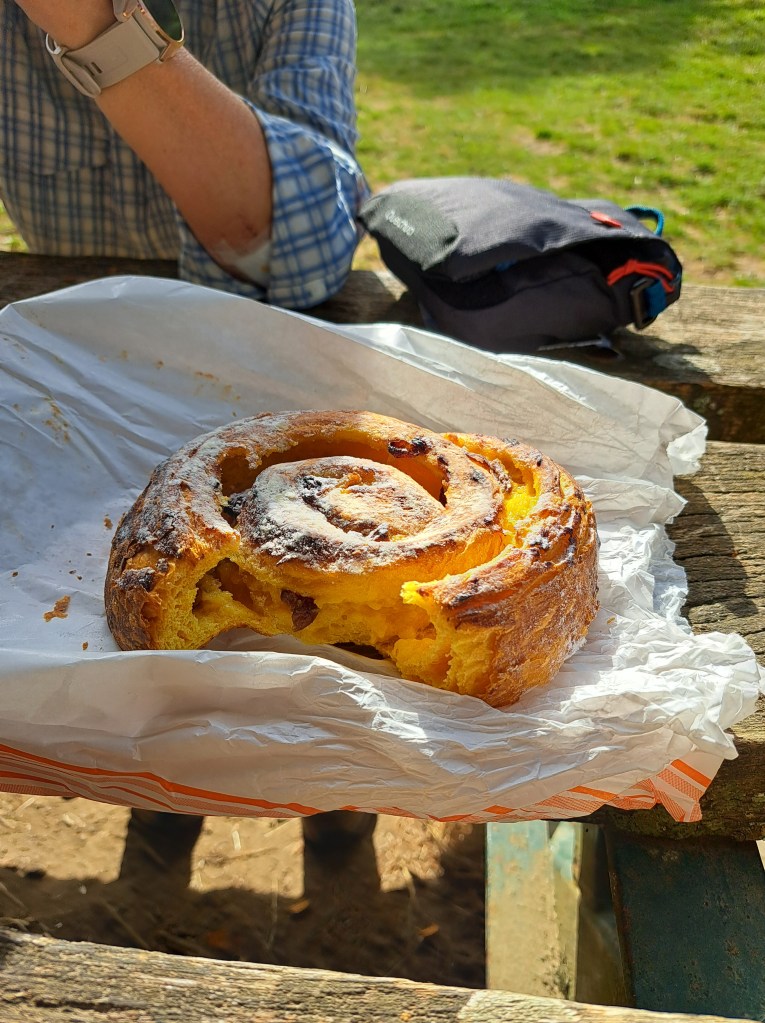
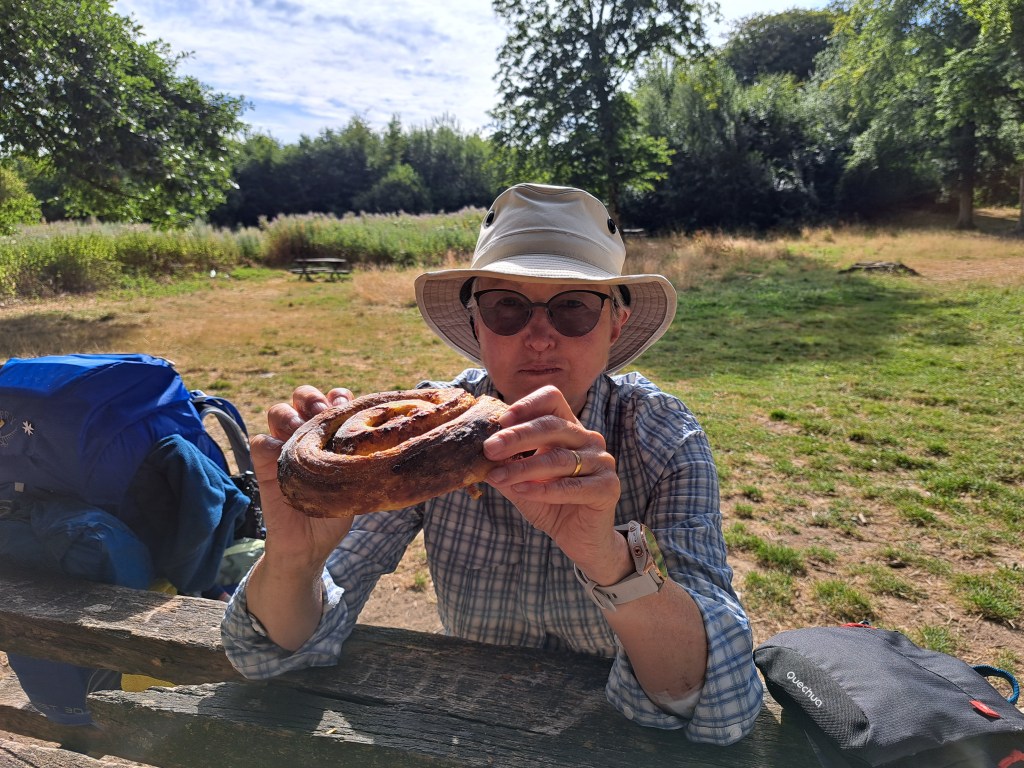
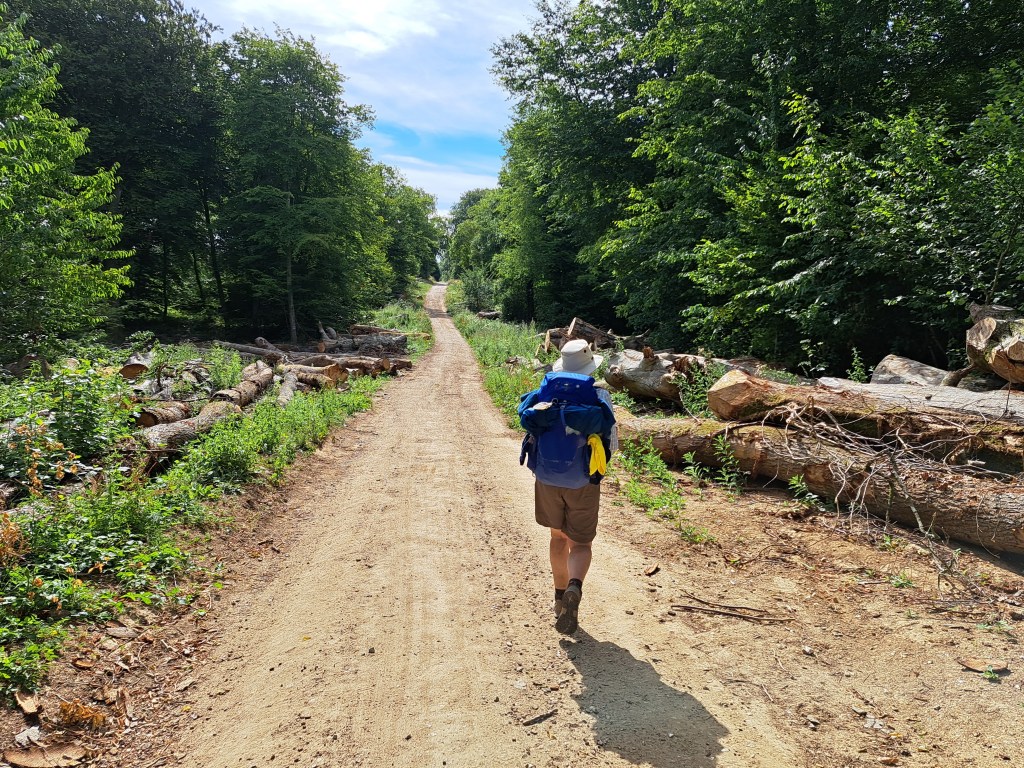
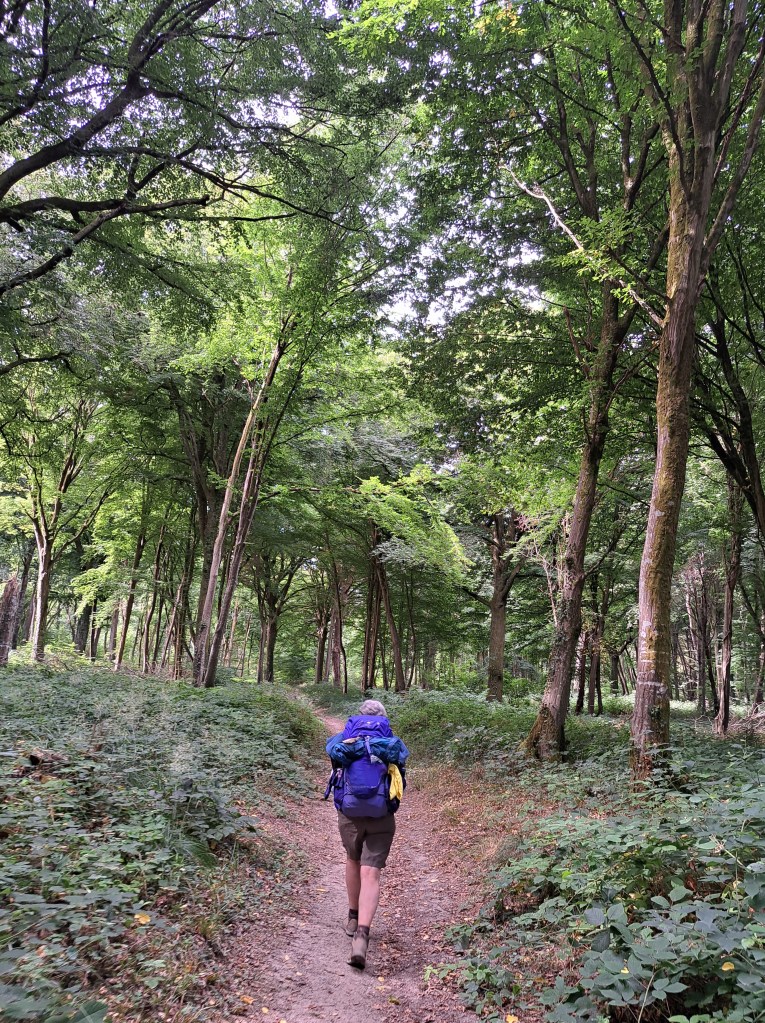
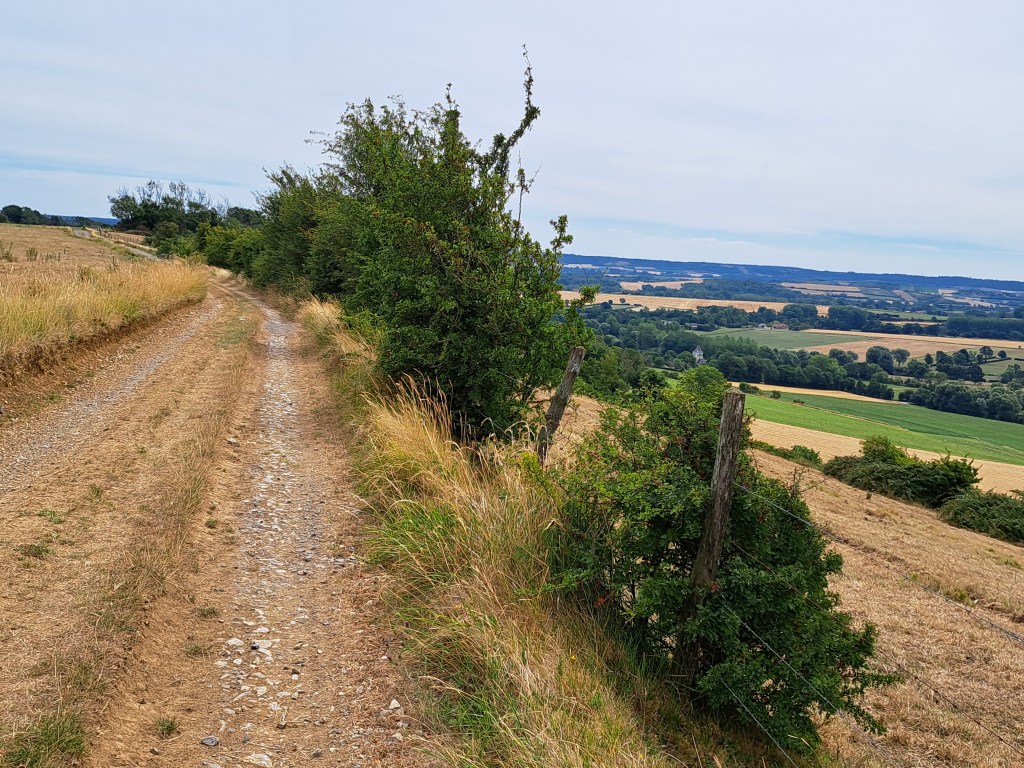
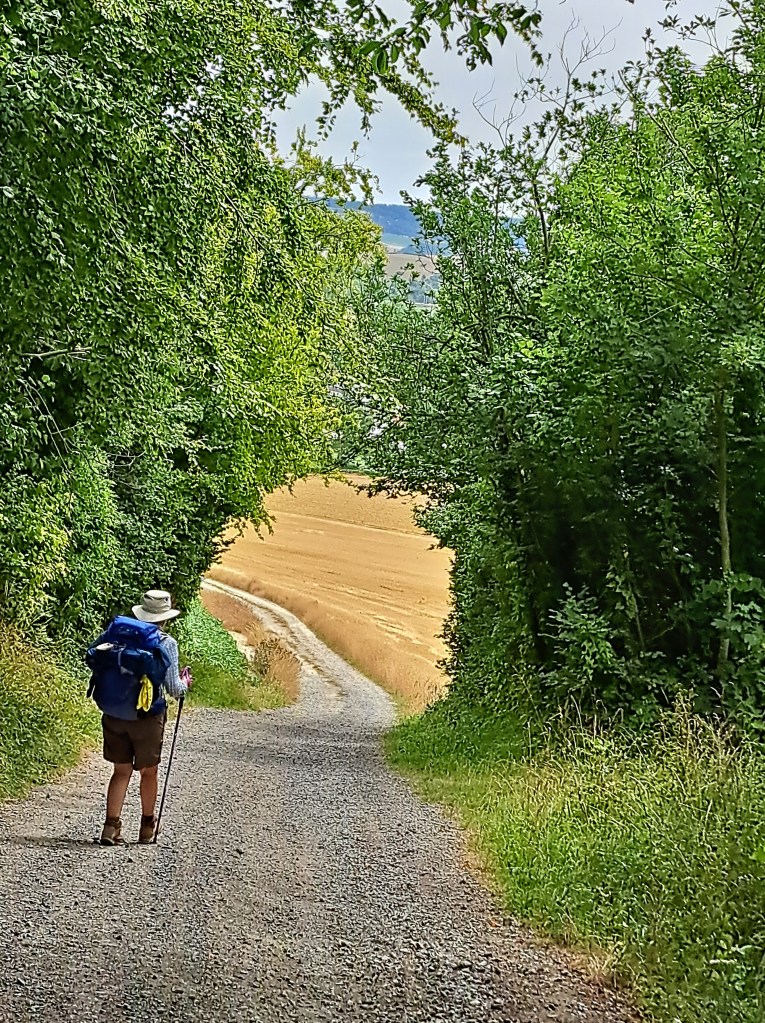
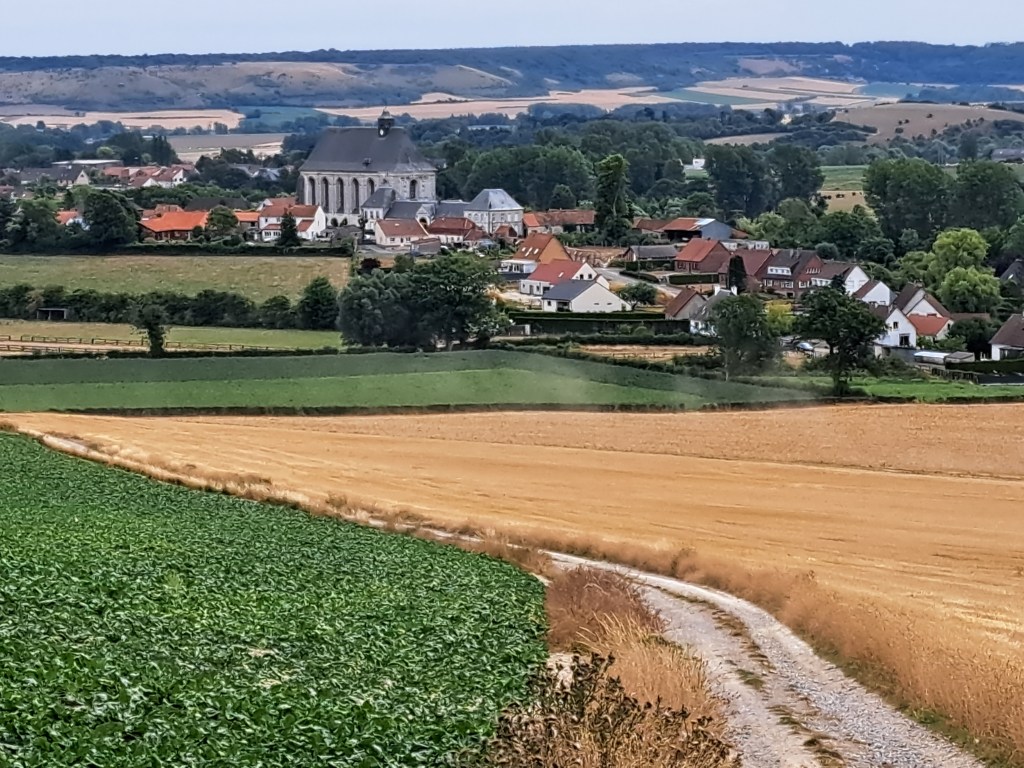
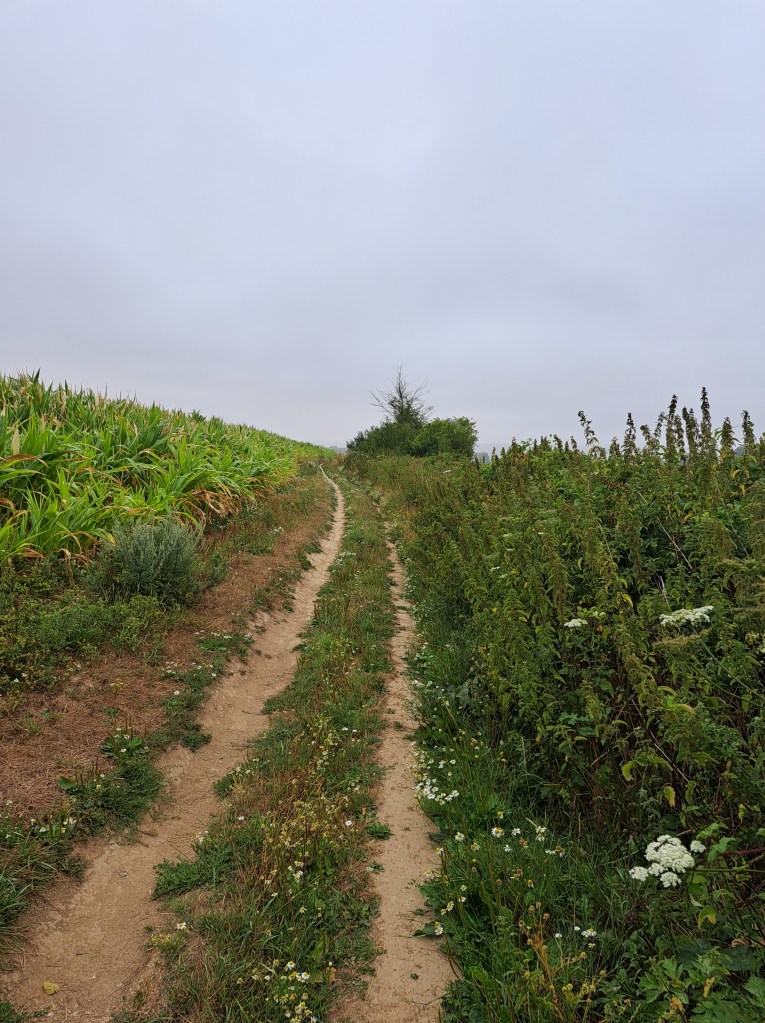
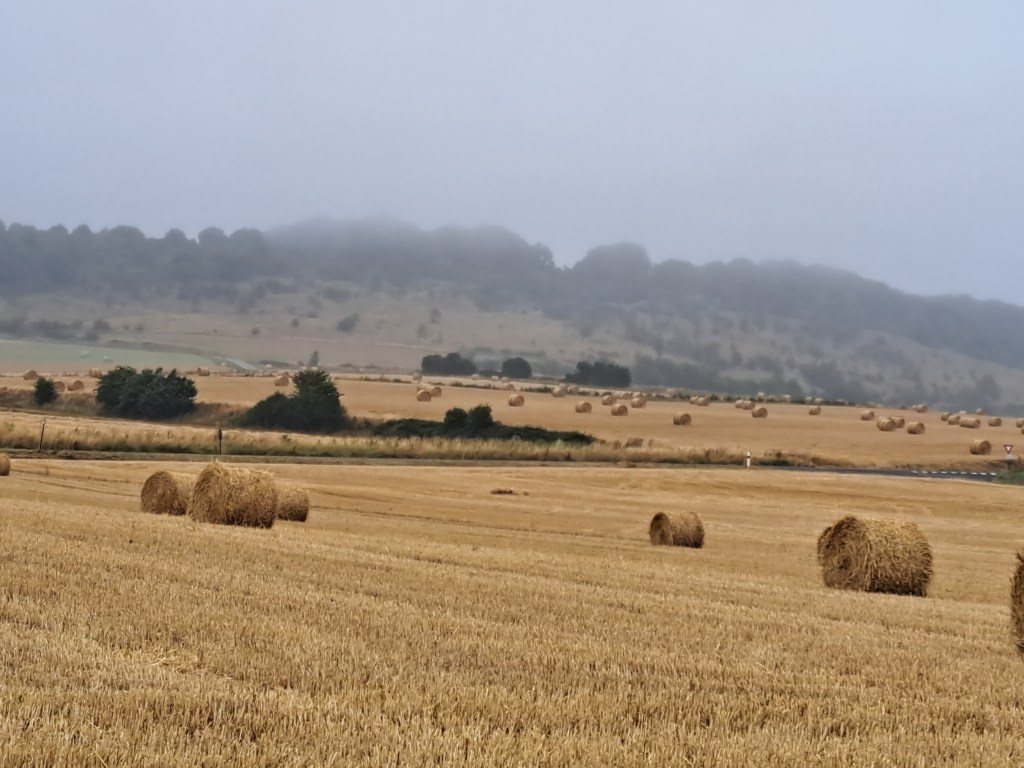
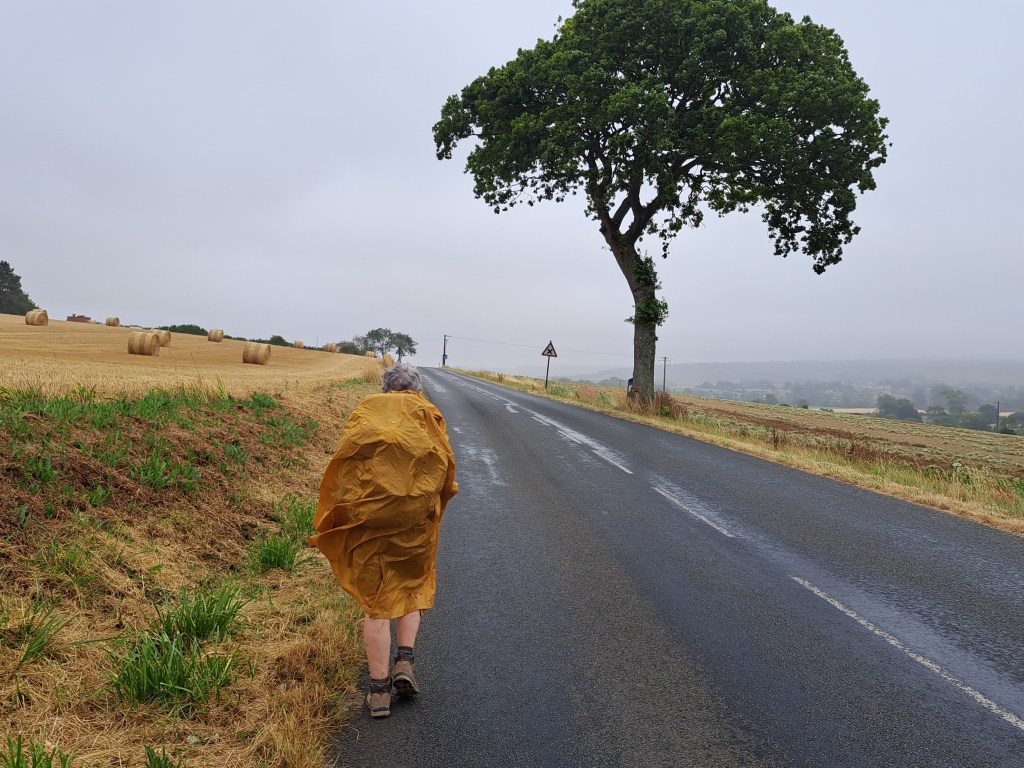
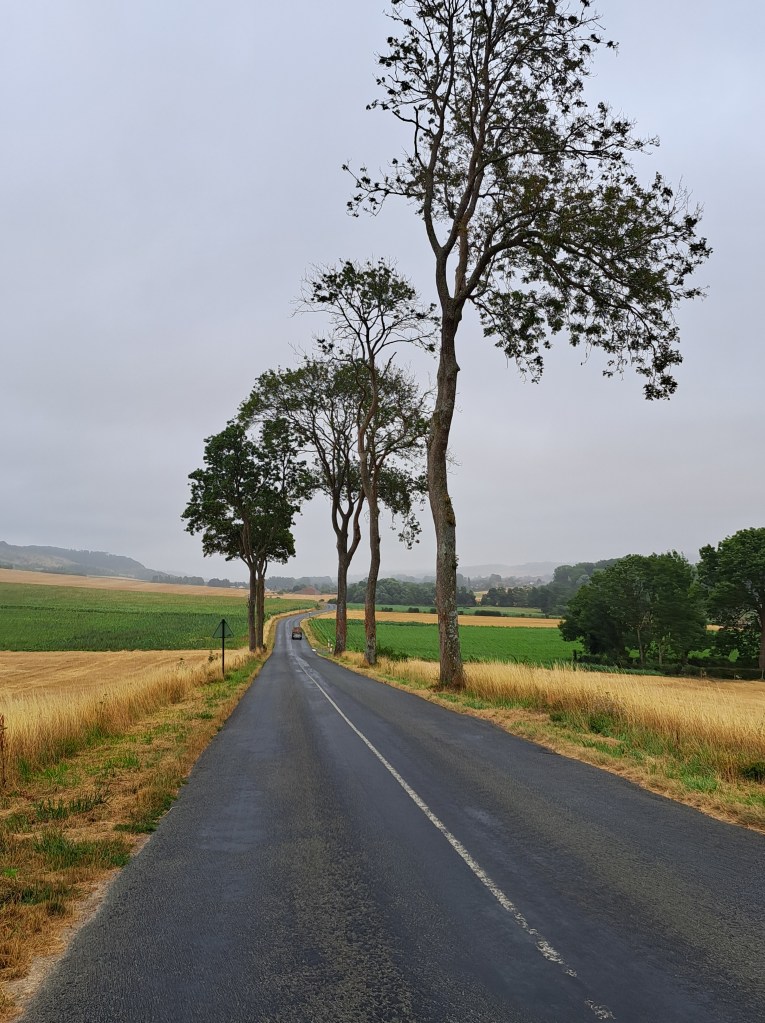
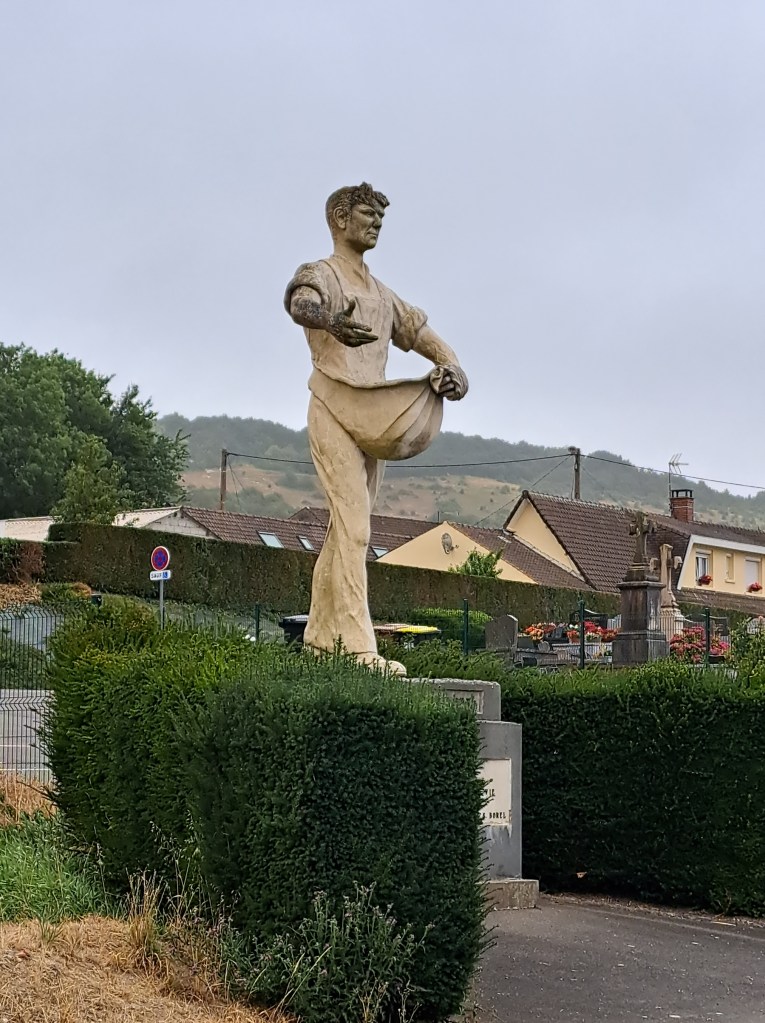
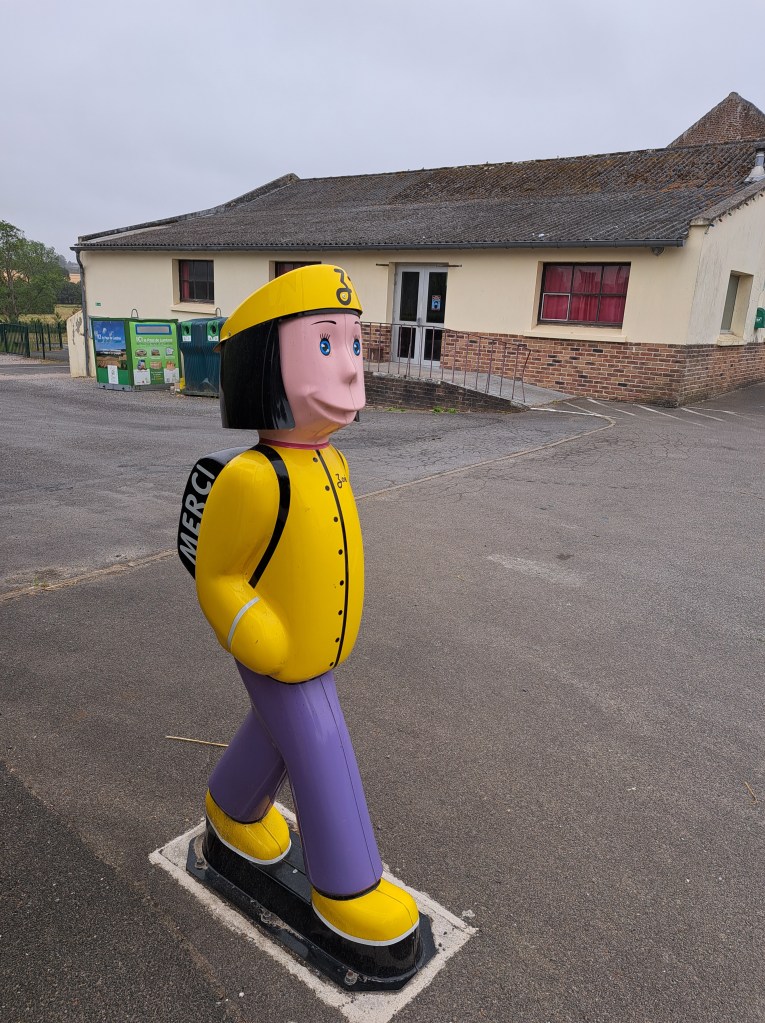
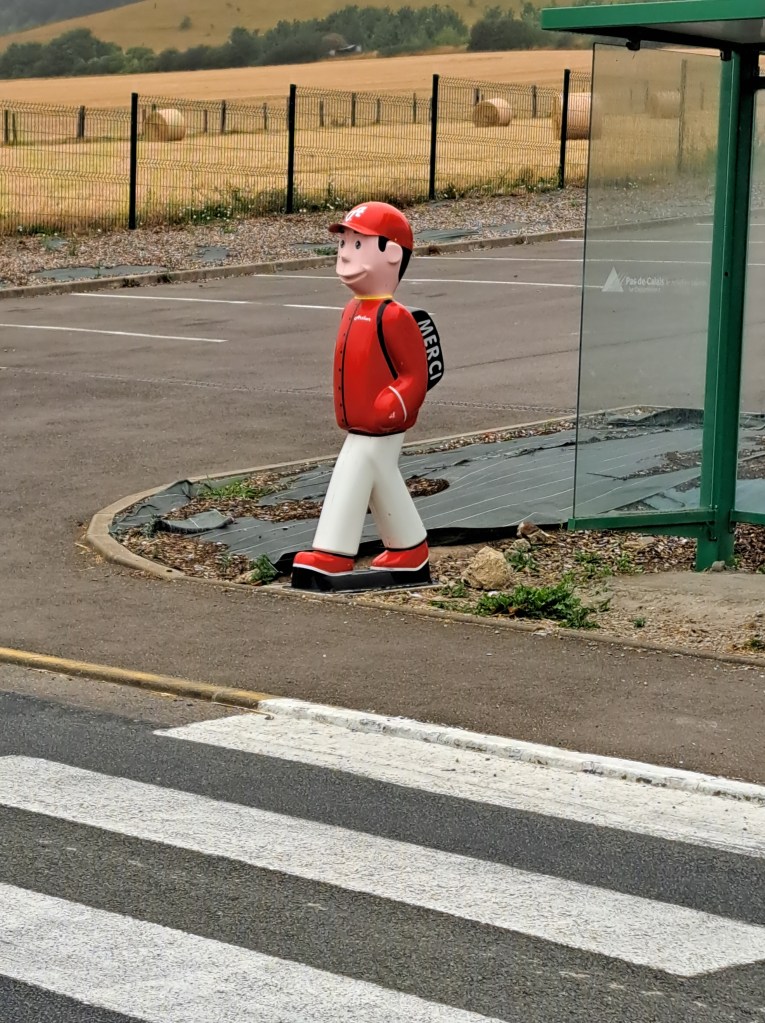
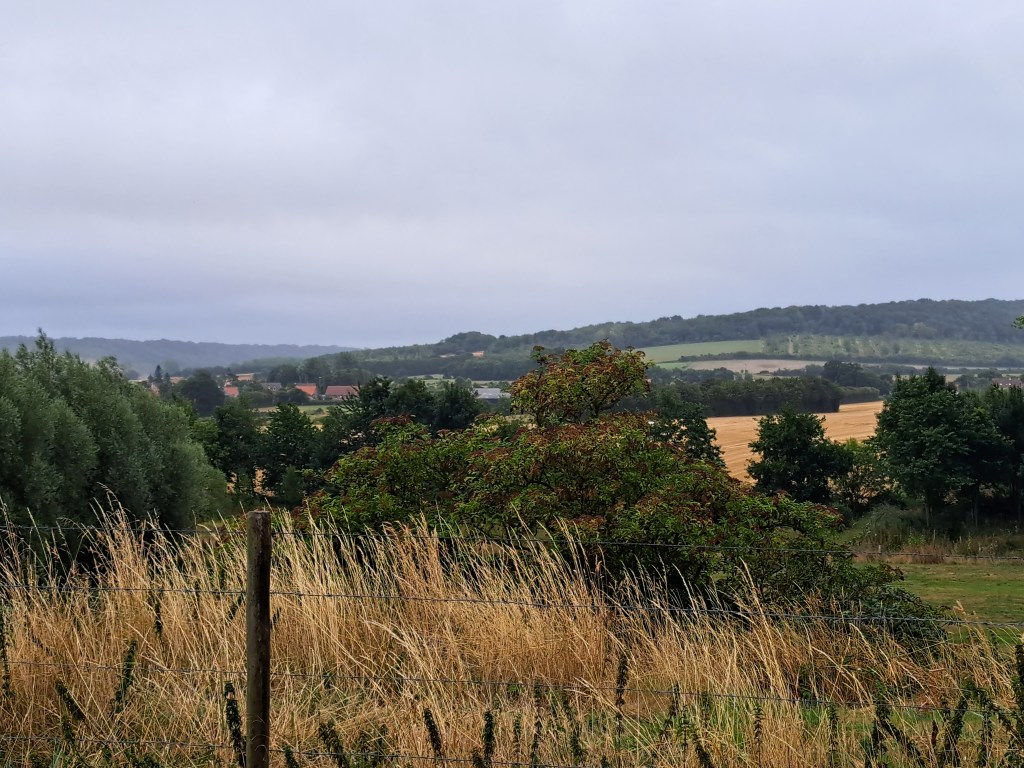
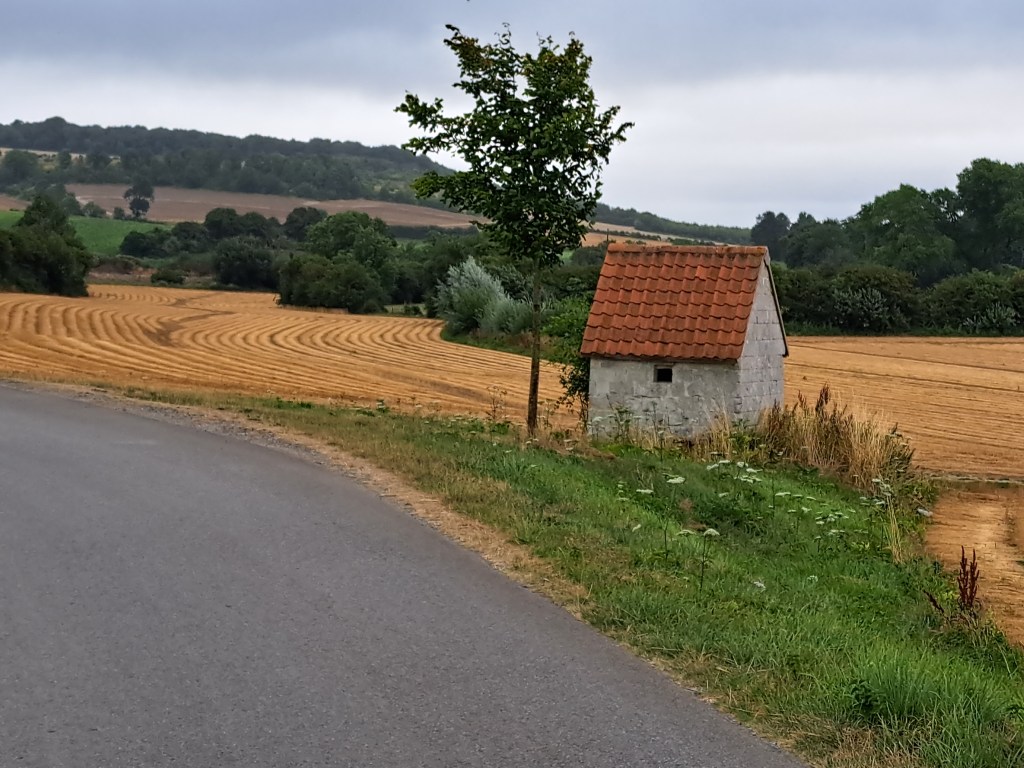
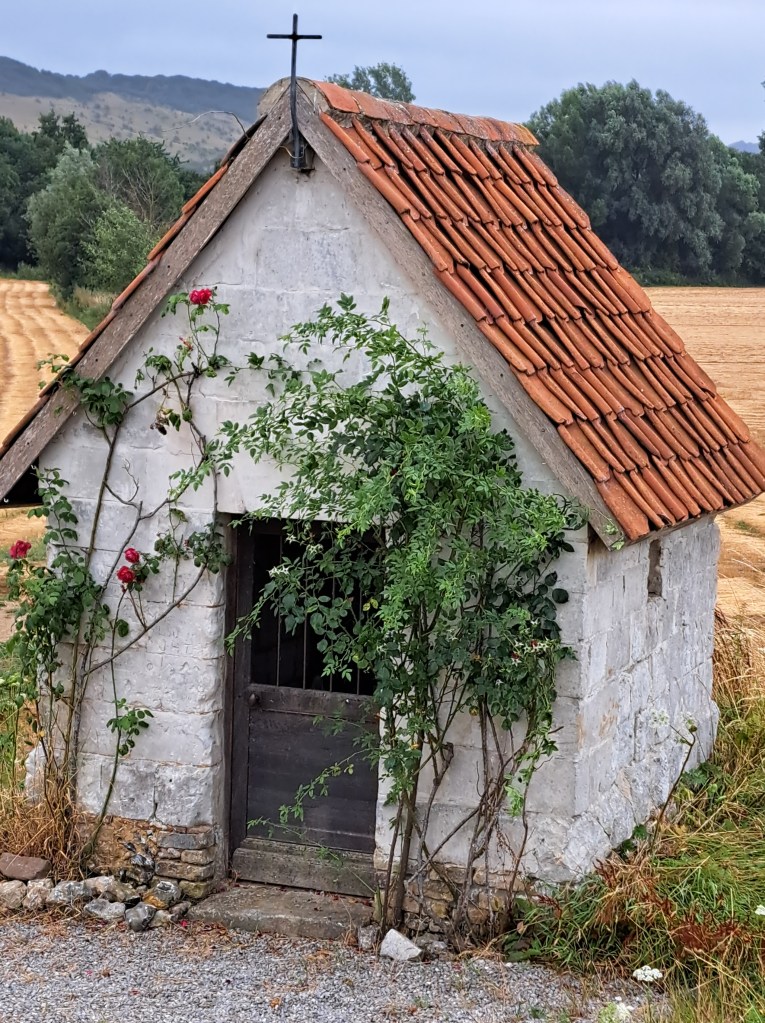
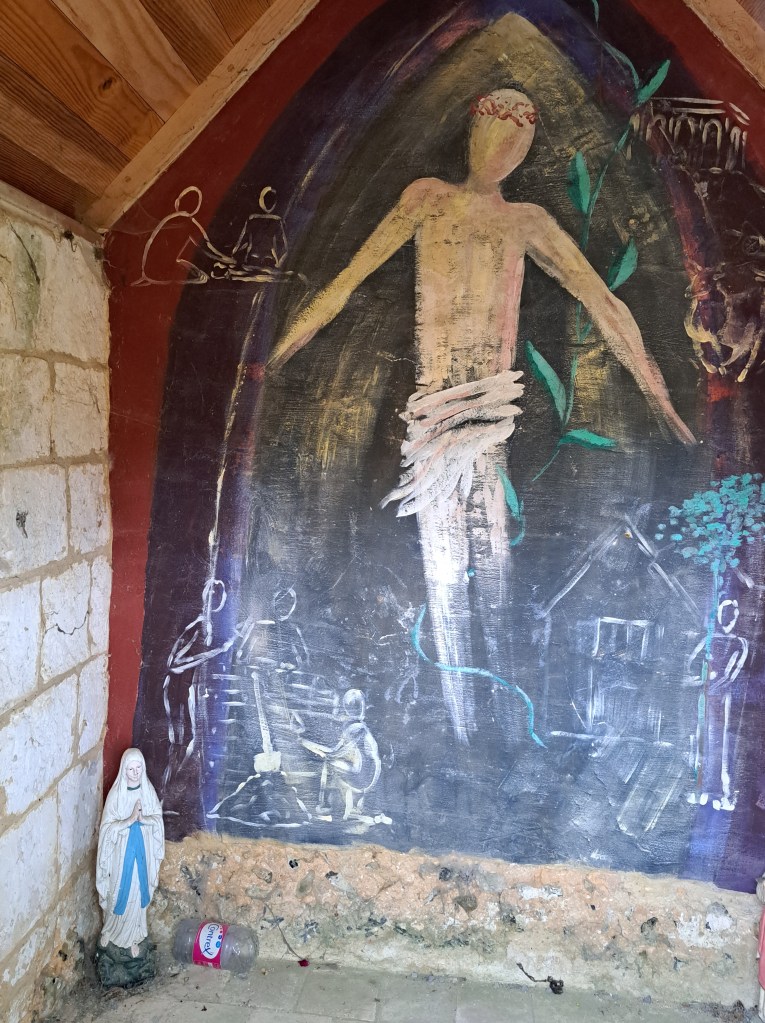
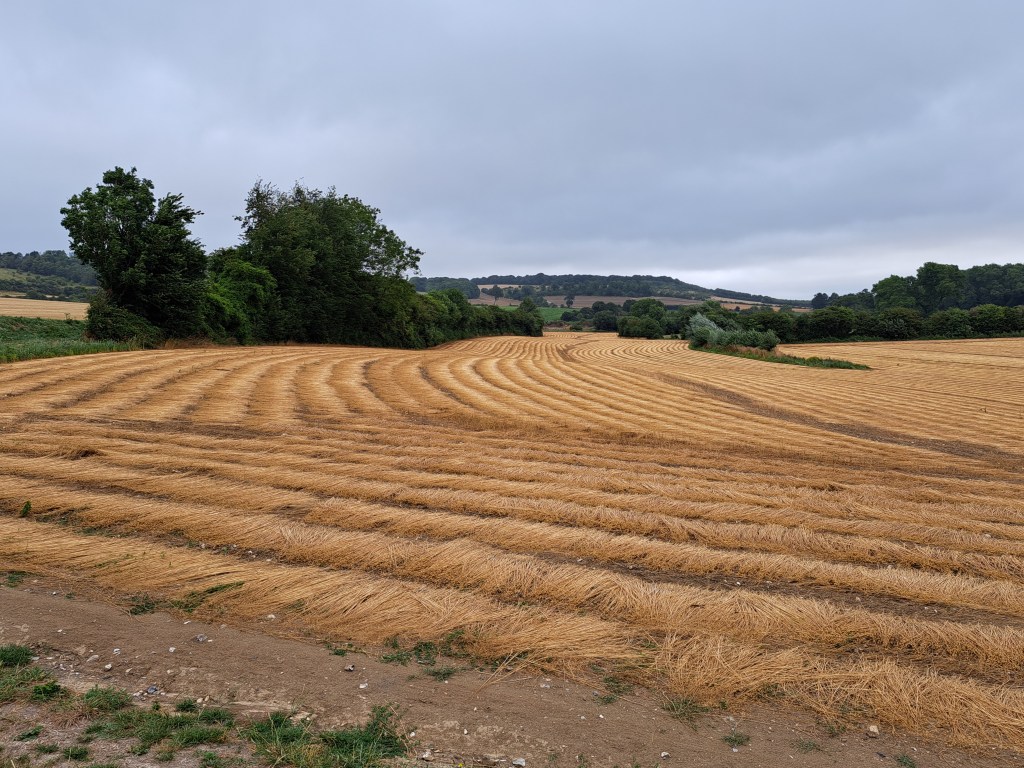
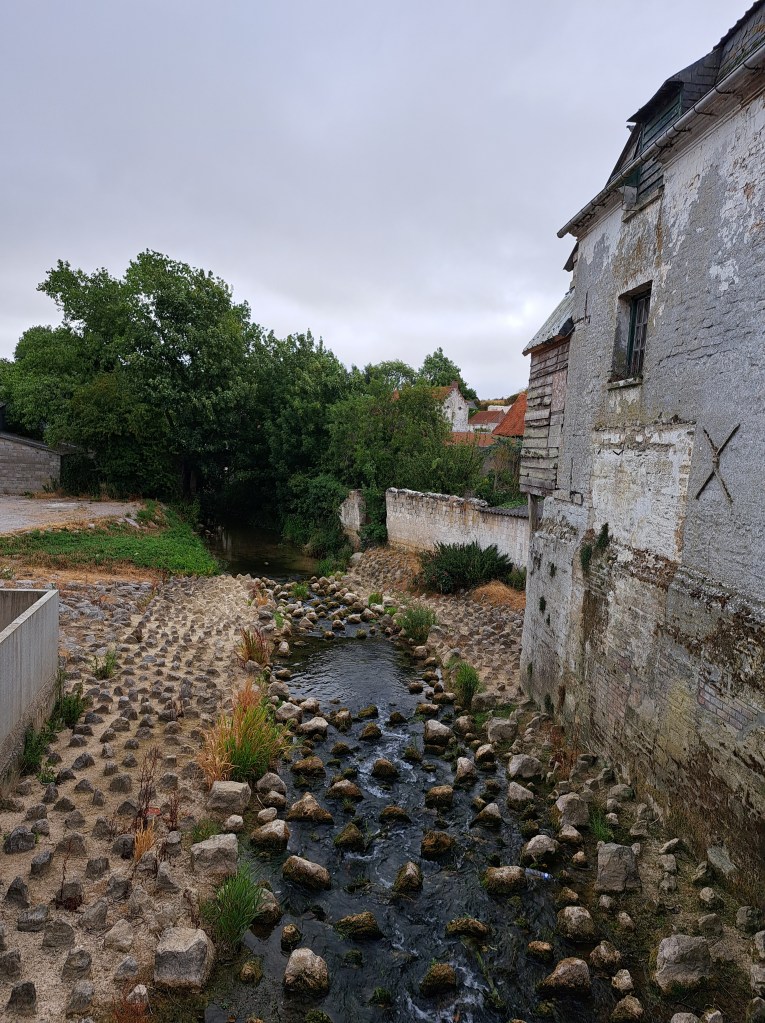
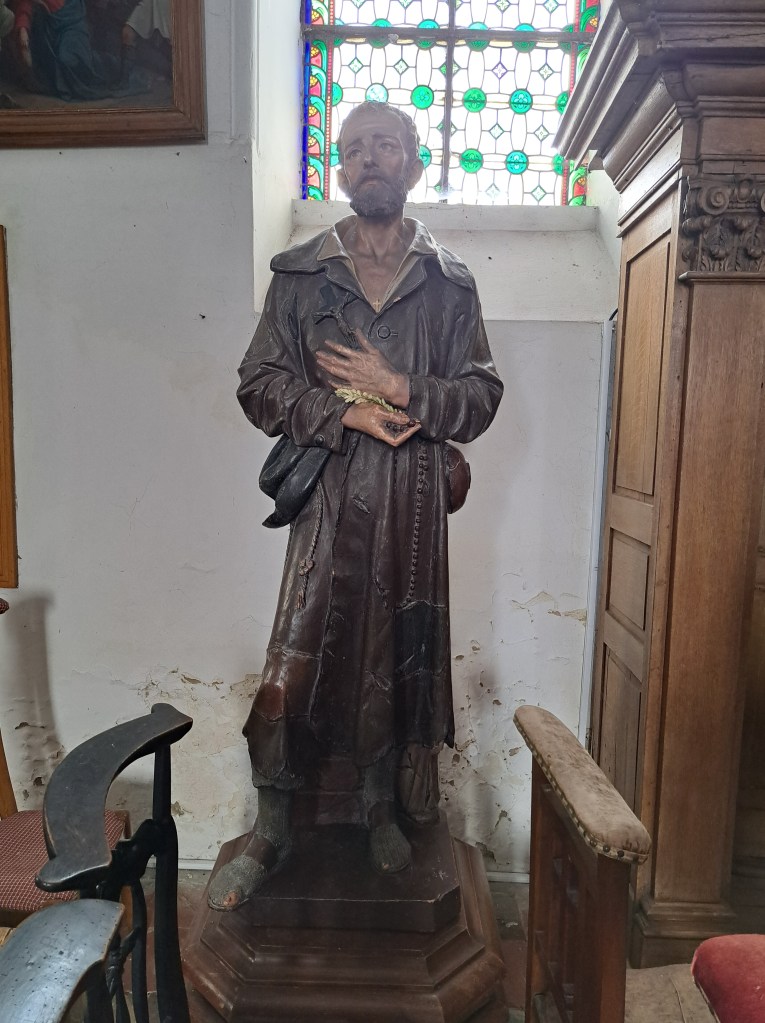
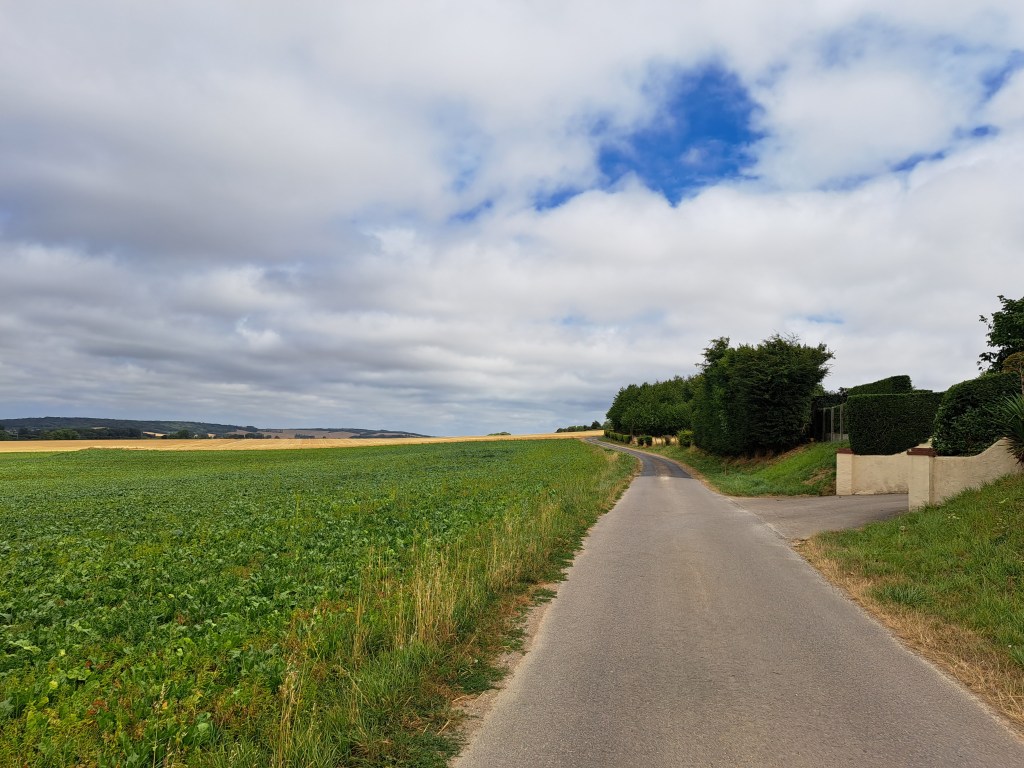
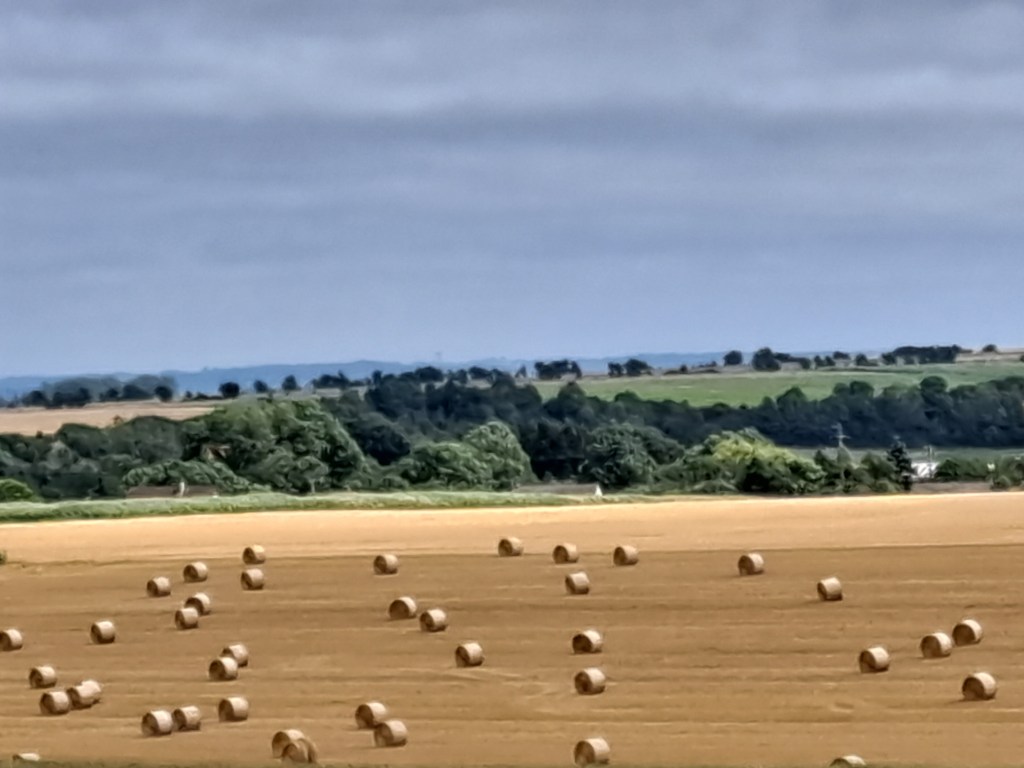
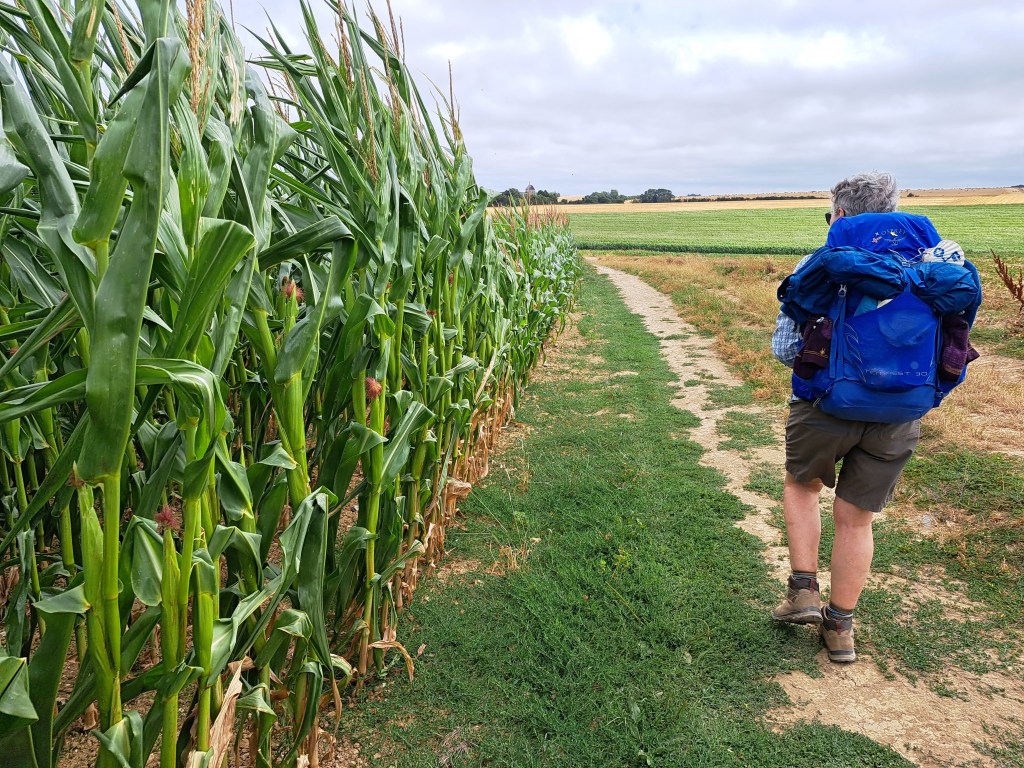
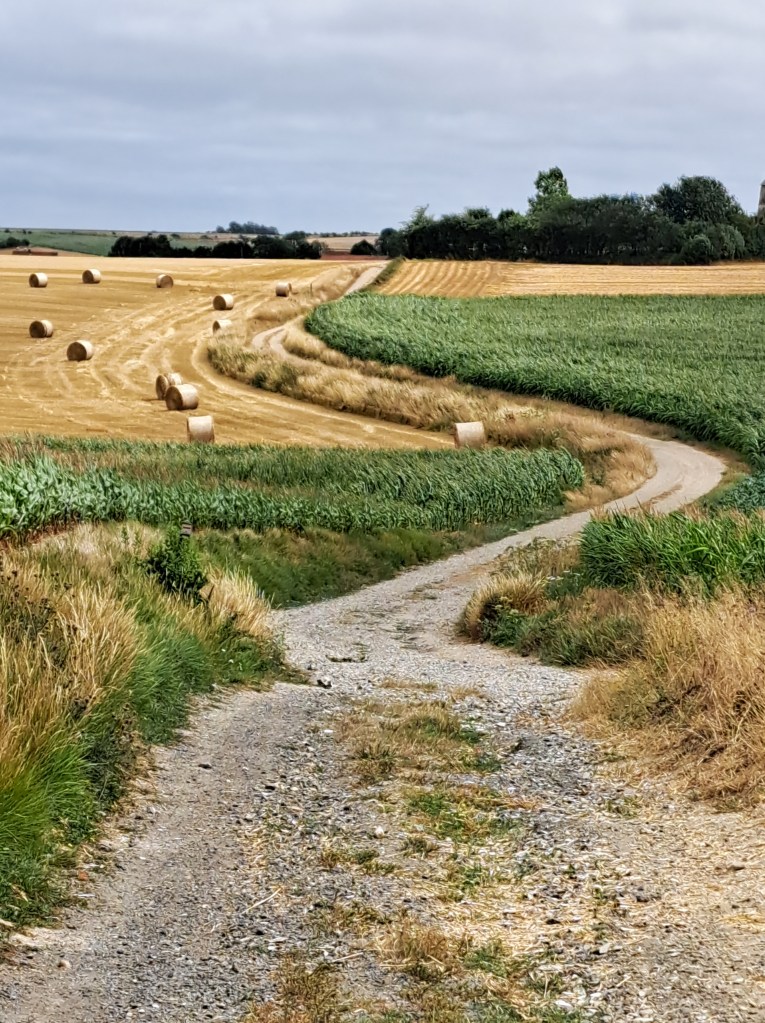
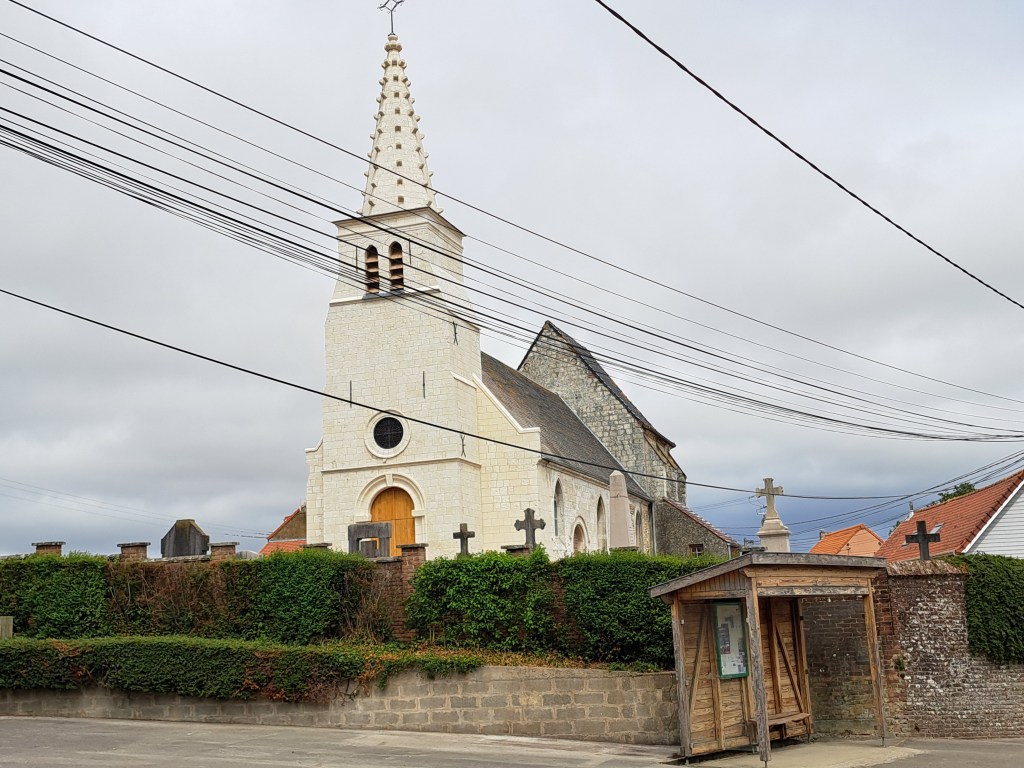
Here are some of the pictures. I couldn’t post many in the last blog and I now have so many, here is a selection of the past few days.












 How far can we go?